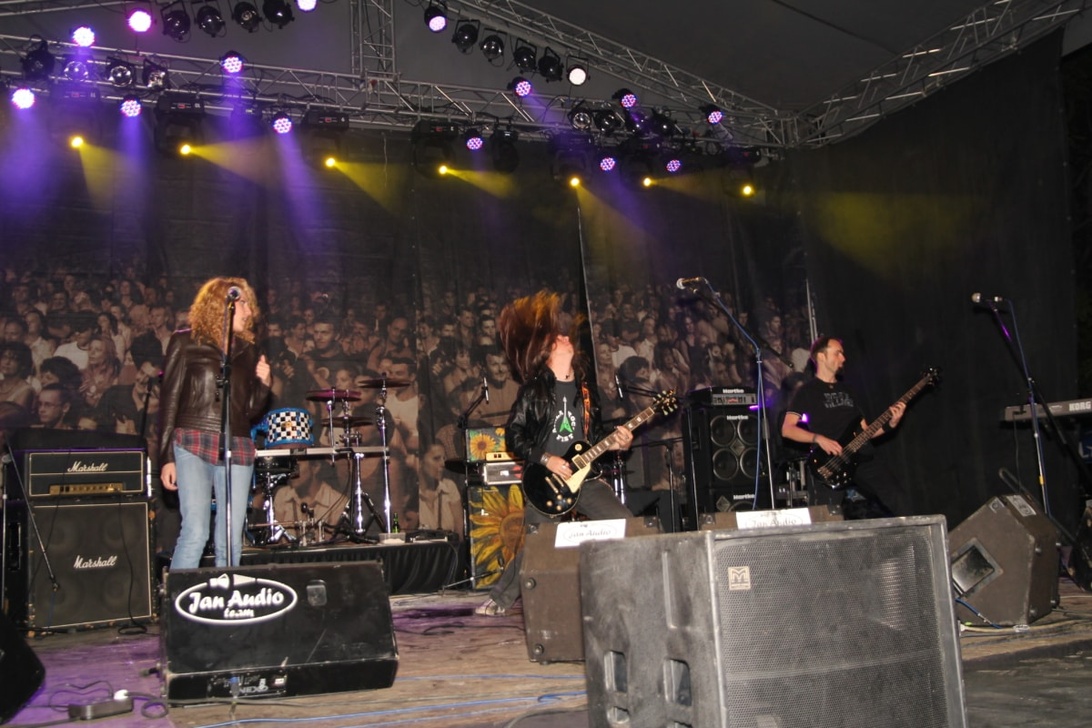

The Myth of the Deafening Soundcheck
Every live band knows the spiral. A guitarist turns up to hear the amp over the drums. The drummer responds with more force. The singer asks for additional vocal level in the wedges. Bass climbs to reclaim the low end, and within minutes the soundcheck has become a private concert at punishing volume. The room is already vibrating before the audience arrives, yet the front-of-house engineer is left with less control, not more.
A soundcheck should be a calibration, not a warm-up show. The goal is to establish reliable source levels, discover problems, and create enough space for the mix to breathe once the room fills with people. A disciplined soundcheck process gives every musician a clearer picture of the stage while preserving the front-of-house engineer”s ability to shape dynamics for the audience. Lowering backline volume does not make a band timid. It lets the song land with greater force.
The Physics of Bleed and the Acoustic Domino Effect
Stage volume becomes a problem when it reaches microphones that were never intended to capture it. A guitar cabinet aimed across the stage can wash directly into an open vocal microphone, especially when the singer is using a high-gain channel with substantial compression. Cymbals spread even farther, filling the upper midrange with a bright, persistent layer that competes with consonants, guitar detail, and vocal presence. Once that spill enters several microphones, the engineer can no longer treat each channel as an isolated source.
The result is not simply “a loud stage.” It is an acoustic domino effect. The engineer raises a vocal fader to recover lyrics, but the increased level also raises guitar, cymbal, and room spill inside that microphone. Equalization may remove some harshness, while compression may steady the vocal, but neither process can completely separate overlapping sound that has already arrived through the wrong microphone. In a reverberant venue, reflections from walls and ceilings extend the problem, making the mix feel cloudy even when individual channels sound acceptable in headphones.
Reflections can also create comb filtering, a pattern of peaks and dips caused when direct and delayed versions of the same sound combine. Phase relationships shift as musicians move, microphones change position, or the audience absorbs part of the room energy. The vocal may sound full in one spot and hollow a few feet away. Turning up wedges to fight an aggressive backline usually creates another hazard: more monitor level reaches the vocal microphone, which encourages further gain, vocal fatigue, and eventually feedback. A properly placed stage monitor system is valuable because it helps isolate monitor signals and gives performers usable information without turning the entire stage into a loudspeaker.
- Guitar cabinets can dominate the upper midrange before the guitar channel reaches the PA.
- Cymbal spill can mask vocal consonants and make compression pump unpredictably.
- Reflections can produce phase changes that vary across the room and throughout the performance.
- Excessive wedges increase the chance of vocal fatigue and acoustic feedback.
- Lower source volume preserves separation, fader range, and intelligibility.
High Stage Volume versus Controlled Soundcheck Dynamics
The difference between unmanaged and calibrated stage volume is easiest to hear at front of house. With loud backline, the engineer is forced into defensive gain-staging. Faders are pulled down to prevent the PA from adding even more volume, while microphones are equalized around spill rather than around the intended instrument. With controlled levels, the engineer can build the mix from clean inputs, decide how much room energy the audience receives, and use the PA to create impact instead of merely competing with the stage.
| Unmanaged stage volume | Controlled soundcheck dynamics |
|---|---|
| Vocals fight guitar and cymbal spill | Vocals retain headroom and lyrical clarity |
| Compression reacts to unpredictable bleed | Dynamics processing responds to the intended source |
| Phase problems change across the room | Microphone placement and level remain more predictable |
| FOH faders are used defensively | FOH faders shape energy and arrangement |
| The audience hears a loud but blurred stage | The audience hears a larger, more focused production |
Modern digital consoles offer substantial processing power, but processing cannot repeal acoustics. The M32 LIVE, for example, provides 40 input channels, 32 Midas PRO microphone preamplifiers, mix buses, effects, equalization, dynamics, and routing options suitable for demanding live work. Those tools can refine a good signal path, but excessive stage bleed instantly reduces the usable headroom that makes such a system effective. Every unnecessary decibel arriving acoustically is a decision removed from the engineer”s hands.
Practical Protocols for Building Clean Stage Zones
Backline discipline begins with direction, not just volume. A guitar cabinet aimed at the back of the player”s knees may sound quiet to the audience but harsh to the musician standing directly in its beam. A tilt-back stand can aim the cabinet toward the player”s ears, allowing a lower overall setting. Amp shields can reduce direct spill in tight spaces, while lower-wattage settings, attenuation, or direct modeling can preserve the desired texture without flooding the room. The right solution depends on the instrument, venue, and performance style, but the principle remains consistent: put sound where it is needed.
Drums require equal attention. Cymbal choice has a major effect on stage balance, since thinner or lower-volume cymbals may provide musical definition without producing an unbroken wash. Controlled damping on toms and selected drumheads can shorten excessive resonance, although damping should support the drummer”s intended tone rather than flatten it. Playing dynamics matter too. A drummer who understands the room can keep verses open, reserve maximum force for choruses, and create genuine contrast instead of delivering the same acoustic intensity throughout the arrangement. Compact systems such as the StudioLive 16.4.2 also illustrate how integrated processing, monitor mixes, metering, and room-tuning tools can support smaller live setups when used thoughtfully.

- Set the acoustic baseline. Before line checking, agree on a practical stage target with the engineer. The target should be loud enough for natural performance but low enough that vocals remain intelligible without excessive monitor level.
- Place and aim the sources. Tilt guitar cabinets toward the player, keep loud wedges away from open vocal microphones, and avoid directing powerful sources across the entire stage.
- Build the mix in layers. Check drums, bass, guitars, vocals, and effects one at a time, then run a representative song section at performance dynamics. The engineer needs to hear verses, choruses, stops, and transitions, not only isolated notes.
- Confirm the room from the audience area. A stage can feel balanced while the audience hears a harsh or vocal-starved mix. Walk the room when possible, communicate specific observations, and make one controlled adjustment at a time.
The final step is collaboration. Musicians should tell the engineer what they need to perform, such as more vocal presence, a clearer guitar reference, or a firmer kick pulse, rather than prescribing an immediate volume increase. Engineers should explain whether a request is being masked by stage spill, monitor placement, or room reflections. That shared vocabulary turns soundcheck into a problem-solving session instead of a negotiation conducted at maximum volume.
Empowering the Front of House to Deliver Maximum Impact
A mix engineer has genuine fader authority only when the PA is the primary source of audience sound. If the guitar cabinet already dominates the room, the engineer cannot convincingly lower the guitar for a verse or lift it for a chorus. If cymbals are filling the vocal microphones, the engineer cannot make the singer suddenly appear in front of the arrangement without also amplifying unwanted spill. Lower stage volume restores the ability to arrange intensity in real time.
That authority is especially important for modern live productions built around detailed dynamics. A controlled stage lets the engineer keep kick and bass powerful without allowing the low end to become a continuous fog. It allows vocal compression to add consistency without exaggerating every cymbal hit. It gives reverbs and delays room to create atmosphere rather than adding another layer of indistinct wash. Stage silence is not an absence of energy. It is the negative space that makes impact legible.
- Give the engineer a defined starting level instead of changing amp volume throughout the check.
- Ask for tonal or monitoring adjustments before asking for more overall loudness.
- Use in-ear monitoring where appropriate, while preserving safe, comfortable listening practices.
- Agree on hand signals or concise language for urgent changes during the set.
- Review the room and the recording afterward, then adjust the system rather than blaming individual performers.
Trust grows when everyone understands the same objective: the audience should experience the band as one arrangement, not as several competing sources. Musicians retain their tone and physical connection to the performance, while the technical crew gains the control needed to keep the pulse moving from the first verse to the final encore. That workflow is repeatable, portable, and far more dependable than hoping a louder stage will somehow sound bigger out front.
Own the Room by Playing Smarter from the First Note
A quieter soundcheck can produce a heavier show because it preserves contrast. When verses are genuinely restrained, choruses can expand. When vocals are clean, lyrics reach the back of the room. When the kick, bass, and guitars are separated, the low end feels physical instead of shapeless. The audience may not know why the mix feels powerful, but they recognize the result immediately: every part arrives with purpose, and the band sounds larger than the sum of its amplifiers.
Disciplined live bands earn more than a better mix. They build a professional reputation with engineers, venues, promoters, and fellow performers. They protect vocal stamina, reduce feedback risk, make quick changeovers easier, and adapt more reliably to rooms of different sizes. The next soundcheck should therefore begin with a shared commitment to collective impact. Turn down the sources that do not need to dominate, give front of house room to shape the arrangement, and let the audience hear the full force of the music rather than the uncontrolled volume of the stage.